Empower the youth, donate to the “Lulëzojnë"
DONATE NOW
Empower the youth, donate to the “Lulëzojnë"
DONATE NOW
The international evaluation is a key component of the Regional Service-Learning Award (RSLA), ensuring quality, fairness, and consistency in recognizing outstanding Service-Learning practices across the region. Its purpose is to assess finalist projects and practices against shared standards and criteria.
As part of RSLA 2025, the final international evaluation process is conducted by an international jury, which reviews finalist practices from formal education (schools) and non-formal education (organizations and youth groups).Projects are assessed by jury members through a transparent, impartial, and objective evaluation process.
The evaluation is supported by structured jury documents that guide assessors through key aspects of each project, including:
All evaluations are carried out anonymously, using project codes and both qualitative and quantitative data, to ensure transparency and equal treatment of all finalists.
The following documents support the work of national evaluators and international jury members:
The RSLA Jury Summary – Non-formal Education is a structured template used by evaluators to prepare anonymous summaries of finalist Service-Learning projects from non-formal education organizations. It guides the assessment of project aims, learning–service integration, results, and long-term impact, using project codes and quantitative data to ensure clarity and impartial evaluation.
The RSLA Jury Summary – School Category is a structured template used by evaluators to prepare anonymous summaries of finalist Service-Learning practices from formal education institutions. It supports the assessment of project description, learning and service objectives, results, and impact, using project codes and quantitative data to ensure clarity and impartial evaluation.
LINK ACCESS TO THE DOCUMENT
International jury members review finalist Service-Learning practices using the official RSLA international evaluation form. Projects are assessed individually by category, with evaluators assigning 1 to 4 points across five RSLA criteria, following project codes to ensure an impartial and objective evaluation process. Evaluation scores are then submitted to the RSLA coordinator in line with the established procedure and deadlines.
LINK ACCESS TO THE DOCUMENT
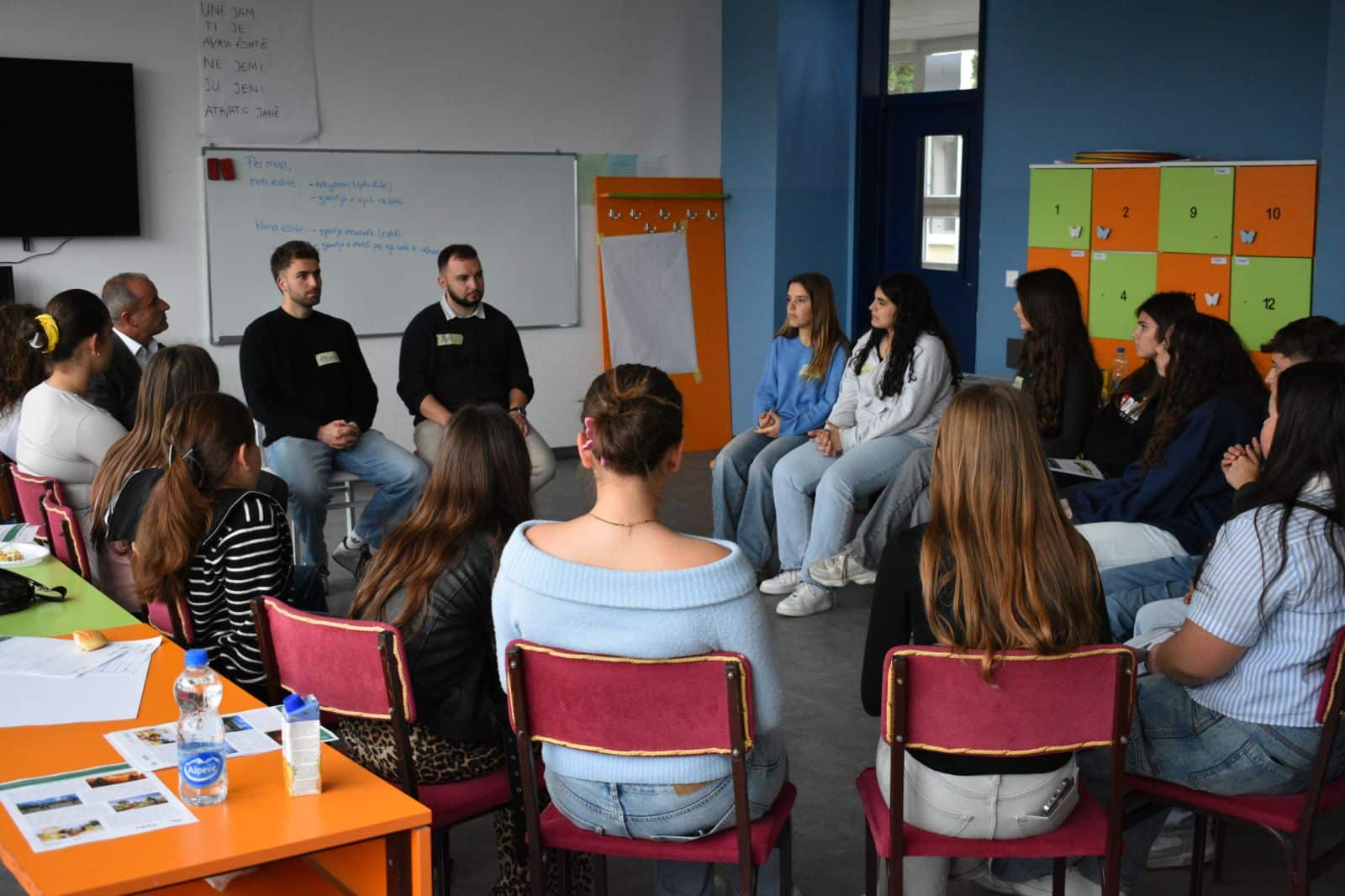
To ensure fair and consistent evaluations, national evaluators take part in a structured training programme. The training explains the RSLA process and criteria and includes practical exercises with real project examples. Evaluators compare results, discuss differences, and align their understanding to ensure reliable and transparent evaluations.
National evaluators review projects using official RSLA evaluation tools. Each project must first meet five basic eligibility conditions. Eligible projects are then scored against quality criteria, with a maximum of 80 points. Only projects that reach the required score and meet all conditions can be nominated for the international evaluation round. For nominated projects, evaluators prepare a short, anonymous summary in English for the international jury.
The support of the European Commission for the publication of this document does not imply endorsement of its contents, which reflect only the views of the authors. The European Commission cannot be held responsible for any use of the information contained herein.
These are the latest developments from our programs and activities.
Follow us for the latest
European Union Office in Kosovo is TOKAs most strategic partner, through the support provided by the Framework Partnership Agreement (FPA). This website is maintained with the financial support of the European Union. Its contents are the sole responsibility of TOKA and do not necessarily reflect the views of the European Union.